Language detected: English
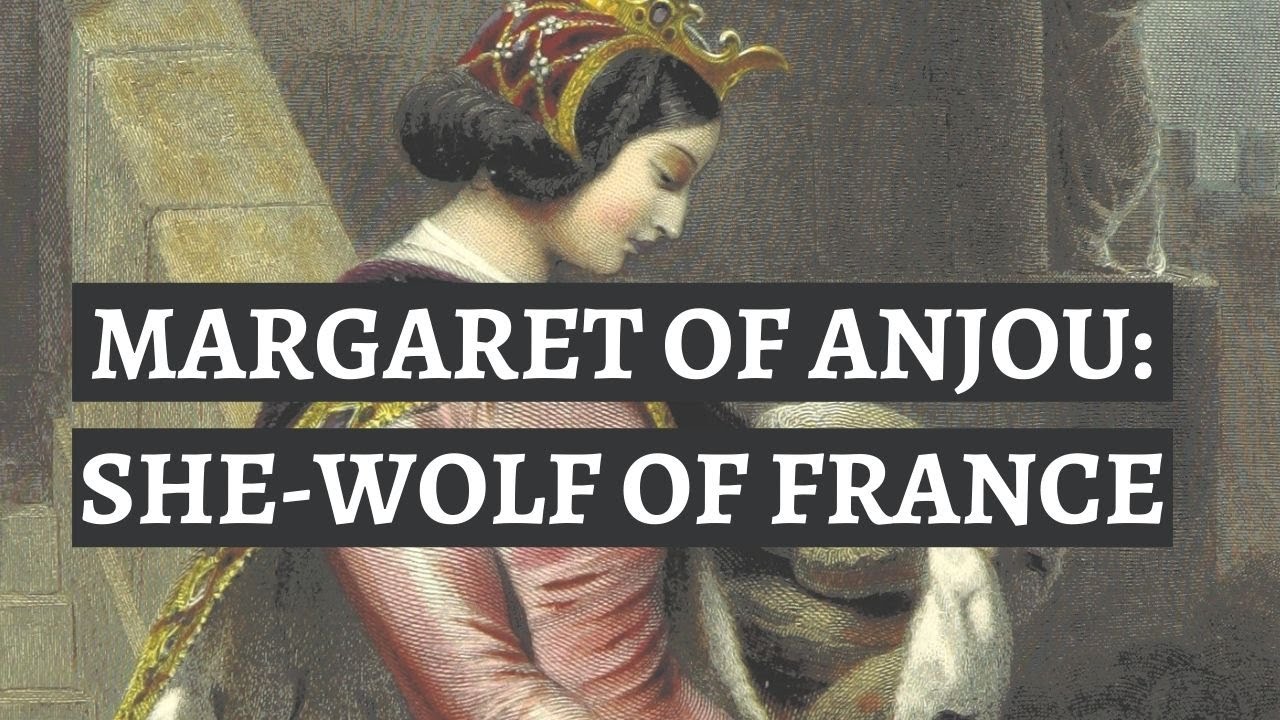
In a dramatic retelling of history, the saga of Margaret of Anjou, the She-Wolf of France, unveils the relentless struggle of a woman who fought valiantly in the Wars of the Roses. Despite her fierce determination, Margaret’s quest to reclaim the throne for her husband ended in tragedy, leaving her legacy overshadowed by defeat.

Margaret’s life was a rollercoaster of ambition and despair, driven by her love for Henry VI and her determination to restore his reign. As the Yorkists rose to power, she found herself exiled, relying on the charity of allies and the hope of reclaiming what was lost.
In Scotland, Margaret and her son, Prince Edward, faced bleak prospects as they navigated the treacherous political landscape. Their journey took them to France, where Margaret sought military aid from King Louis XI, trading the English-held town of Calais for support in her fight.

With a small army of French troops, Margaret launched an invasion into England, capturing castles but ultimately facing setbacks. The tides turned as Edward IV regained control, and Margaret’s fortunes waned. Her husband was captured, and she was left to rally dwindling support in a hostile environment.
The tragic climax of her story unfolded with the death of her son, Prince Edward, in battle. Captured and brought back to London, Margaret witnessed the demise of her hopes and dreams. Her husband’s death soon followed, marking the end of their royal aspirations.

Margaret’s final years were spent in captivity, a once-mighty queen reduced to a shadow of her former self. In 1475, she was ransomed back to France, stripped of titles and wealth, living in obscurity until her death in 1482.
Her legacy, once marred by Shakespeare’s portrayal as a villain, is now being reassessed. Historians recognize her as a warrior queen, a woman who fought against insurmountable odds. Margaret of Anjou’s story serves as a poignant reminder of the sacrifices made in the name of love and loyalty amid the chaos of war.
As we reflect on her life, we must acknowledge the complexities of her character and the harsh realities she faced. Margaret’s story is not just one of loss but also of resilience, highlighting the often-overlooked narratives of women in history.