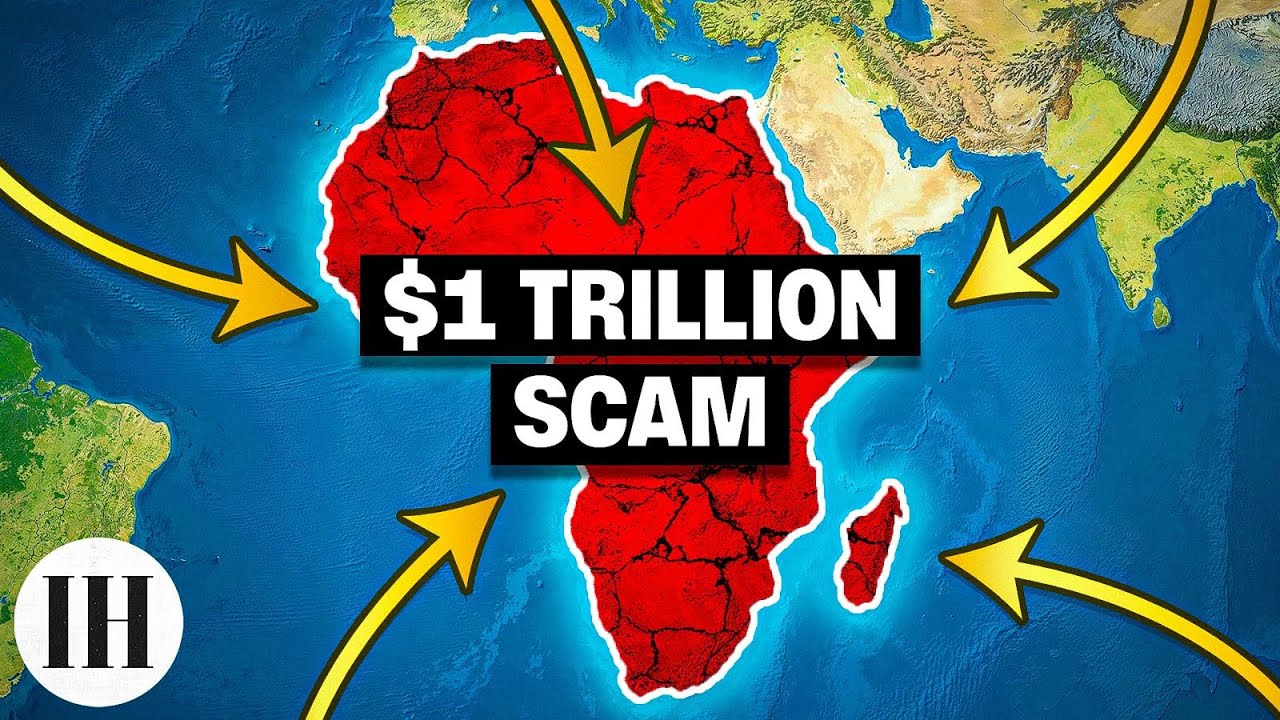
A shocking revelation has emerged regarding the impact of foreign aid on Africa, where over $1.2 trillion has been funneled into the continent over the last five decades. Despite this financial influx, poverty rates have surged, and dependency has deepened, raising urgent questions about the effectiveness of aid in fostering true development.
In stark contrast to the intended goals, aid has perpetuated a cycle of dependency that stifles potential. Initially, Africa saw just 11% of its population living in poverty, but that figure skyrocketed to 66% by the 1990s. Today, it remains alarmingly high at 38%, indicating a systemic failure that cannot be ignored.

The narrative that money alone can solve Africa’s challenges is crumbling. While the West believed that financial support would uplift nations, evidence shows that it has often fueled corruption and mismanagement. Billions intended for development have vanished into the pockets of elites, leaving millions without basic needs met.
Countries like Malawi exemplify this tragic reality. With foreign aid constituting over 40% of its national budget at times, rampant theft by officials has left citizens powerless to demand accountability. This pattern is not unique; it reflects a continent-wide crisis where aid undermines governance and local industries.

The structural issues in African nations, many of which were inherited from colonial rule, have been exacerbated by aid dependency. Instead of empowering communities, the influx of foreign funds has often stifled local entrepreneurship, creating an environment where domestic industries struggle to compete.
As the continent grapples with these challenges, the consequences of aid dependency are stark. The average African now lives on less than $5.50 a day, with nearly 600 million lacking access to electricity. The gap between Africa and the West has widened, with the average Western European now 13 times richer than the average African.

The failure of aid to catalyze meaningful change raises critical questions about future strategies. Experts argue for a shift towards empowering local businesses and building strong institutions that foster accountability. Without such a change, the cycle of dependency will persist, trapping nations in a web of poverty.
It’s time to rethink our approach to aid. The narrative must shift from mere financial support to sustainable solutions that prioritize local empowerment. If we genuinely want to make a difference, we must advocate for strategies that build resilience and independence rather than perpetuate dependence.
The clock is ticking. As the world watches, the urgent need for a new paradigm in foreign aid has never been clearer. Are we ready to change the narrative and invest in the true potential of Africa? The future of millions hangs in the balance.